Farmers demand cheaper vaccines as livestock disease threatens herds
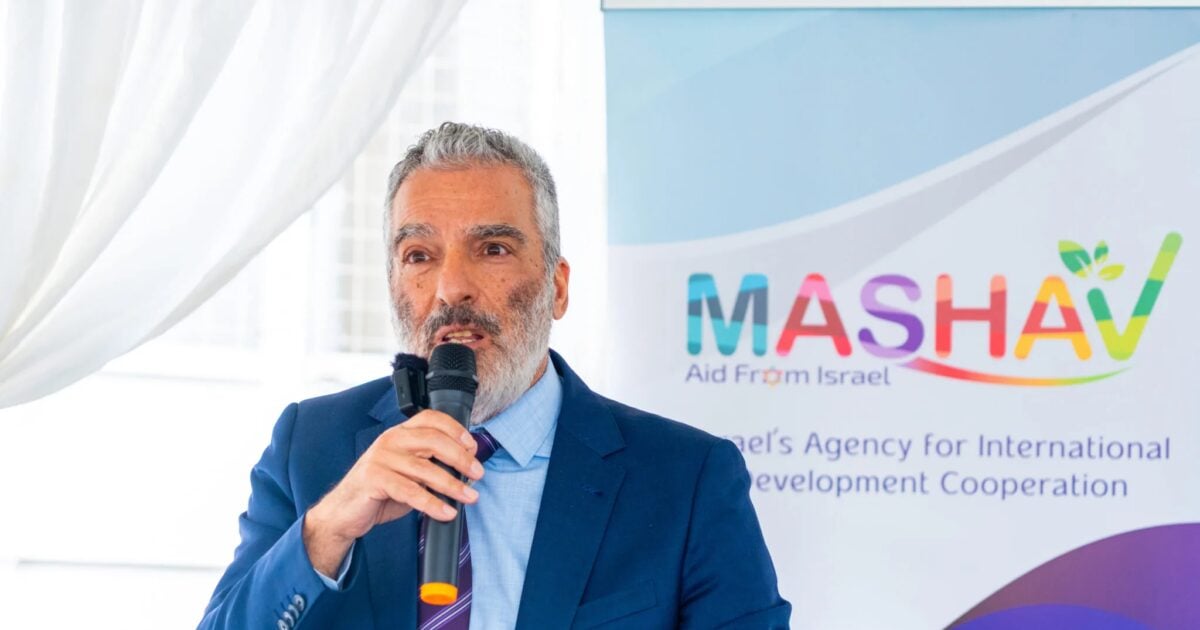
Senior Deputy Director of Veterinary Services at the State Department for Livestock Production Dr Sebenzia Wekesa said the programme, which began in 2025, had so far reached more than 2.2 million cattle and over 25 million sheep and goats. Wekesa also addressed concerns over reported vaccination failures in Kiambu County, where dairy farmers have blamed foot and mouth disease outbreaks for livestock deaths and reduced milk production.
NAIROBI, Kenya, Nov 29 – Livestock farmers have called on the government to lower the cost of animal vaccines, warning that high prices are putting disease prevention beyond the reach of small-scale producers and exposing their herds to avoidable losses.
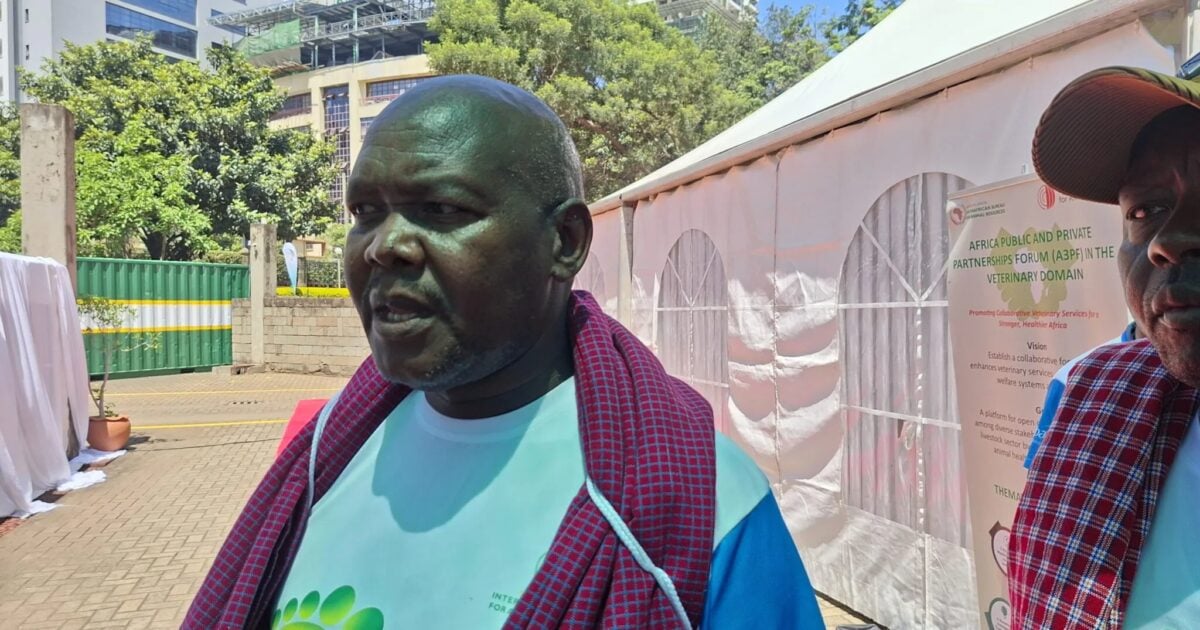
Dr Wilson Kipeno, a farmer from Narok County and Chief Executive Officer of Latia Community-Based Organisation, said a single vaccine dose costing Sh1,000 was unaffordable for farmers keeping dozens or hundreds of animals.
He warned that the cost could discourage vaccination at a time when diseases such as foot and mouth disease (FMD) and lumpy skin disease continue to threaten livestock production and household incomes.
“Currently it is now 1,000 Kenya shillings for a dose and for a farmer like me, for example, and many others who probably have many animals, starting from 50, 100 and 500, cannot vaccinate those animals because of the cost of that vaccine,” Kipeno said.
He urged the national and county governments, together with development partners, to work towards making vaccines and other animal health services more accessible to livestock keepers.
Kipeno spoke on the sidelines of the African Union Inter-African Bureau for Animal Resources (AU-IBAR) Awareness and Partnership Walk in Nairobi, where stakeholders discussed the challenges facing Africa’s livestock, fisheries and aquaculture sectors.
He said farmers were particularly vulnerable when drought coincided with disease outbreaks, leaving already weakened animals at greater risk of dying.
“Recently during the severe droughts, the droughts came with the foot and mouth disease and that was very severe because the animal body condition was very bad,” he said.
He added that early disease prevention and access to veterinary services would help farmers reduce losses before drought conditions deteriorated.
His concerns come as the government rolls out a nationwide animal vaccination programme aimed at controlling foot and mouth disease in cattle and eradicating Peste des Petits Ruminants (PPR), a highly contagious disease affecting sheep and goats.
Senior Deputy Director of Veterinary Services at the State Department for Livestock Production Dr Sebenzia Wekesa said the programme, which began in 2025, had so far reached more than 2.2 million cattle and over 25 million sheep and goats.
“We have done over 2.2 million cattle for foot and mouth and over 25 million for sheep and goats,” Wekesa said.
He said Kenya had an estimated cattle population of 22 million, meaning vaccination efforts were still ongoing.
For sheep and goats, the government is targeting PPR, with the ambition of eliminating the disease by 2030.
“We are sure that by the year 2030 PPR will be eradicated,” Wekesa said, pointing to partnerships with international organisations and other stakeholders as critical to achieving the target.
Wekesa also addressed concerns over reported vaccination failures in Kiambu County, where dairy farmers have blamed foot and mouth disease outbreaks for livestock deaths and reduced milk production.
He said the matter was still under investigation, noting that several factors, including poor vaccine handling and failure to maintain the required cold chain, could affect vaccination effectiveness.
“Vaccination failures can happen when probably you have vaccinated and probably the whole value chain of keeping the cold chain of the vaccine was not taken care of,” he said.
He added that the government was investigating the Kiambu cases to establish what went wrong, maintaining that the vaccination programme had been rolled out in the area.
Beyond disease control, the government is seeking to increase the livestock sector’s contribution to the country’s Gross Domestic Product from 12 per cent to 20 per cent through increased productivity, investment and partnerships across the industry.
Wekesa said the strategy included strengthening production in arid and semi-arid areas, improving intensive dairy farming and working with private sector players to address challenges affecting livestock keepers.
For farmers, however, the cost of production remains a major concern.
Farmer’s Choice Chief Executive Officer Felisters Gitau Mutugu said disease outbreaks and expensive animal feed continued to affect farmers supplying livestock to the meat processor, which works with more than 10,000 farmers.
She said the company was working with the Ministry of Agriculture and Livestock Development and other partners to improve access to vaccines, extension services and quality animal feed.
“When a farmer loses their animals, that’s their livelihood. Restocking is a challenge,” she said.
Mutugu also highlighted the impact of African swine fever on pig farmers, saying the absence of a vaccine meant greater emphasis had to be placed on biosecurity and proper waste management.
She said Farmer’s Choice was working with veterinary authorities and other partners to support affected farmers with restocking, breeding stock and improved genetics.
At the continental level, AU-IBAR Director Dr Huyam Salih said Africa needed stronger livestock value chains, better animal health systems and increased investment to unlock the sector’s economic potential.
She said the bureau was working with African Union member states to develop integrated regional livestock value chains, supported by investments in infrastructure, logistics, vaccination, breeding and animal feed.
“We are aiming to increase the livestock intra-African trade by at least 10%. And this is our goal,” Salih said.
She said stronger regional cooperation was also necessary to eradicate PPR and improve animal welfare and disease surveillance across the continent.
Salih noted that Africa had previously demonstrated the effectiveness of coordinated vaccination campaigns through the eradication of rinderpest in 2011.
“This continent through AU-IBAR has eradicated the rinderpest from the whole continent in 2011 and from the whole globe and this was done through vaccination,” she said.
The bureau is also strengthening its Animal Resources Information System, established in 2003, to improve the collection and sharing of information on animal populations, disease outbreaks and livestock value chains across African countries.
Salih said the system was being linked with the World Organisation for Animal Health and national and regional databases to improve access to information needed for planning and disease control.
The discussions took place during AU-IBAR’s November 28 awareness and partnership walk in Nairobi, which brought together government officials, farmers, private sector representatives, development partners and diplomats to highlight the importance of animal resources to African livelihoods and food security.
Bruhan Makong is a Senior News Reporter for Capital FM in Nairobi, covering diplomacy, foreign policy, national security, climate, and human rights across East Africa and the wider region.
- disease
- livestock
- animal
- farmer
- vaccine
- vaccination
- government
- foot