AU takes animal resources campaign to Nairobi streets

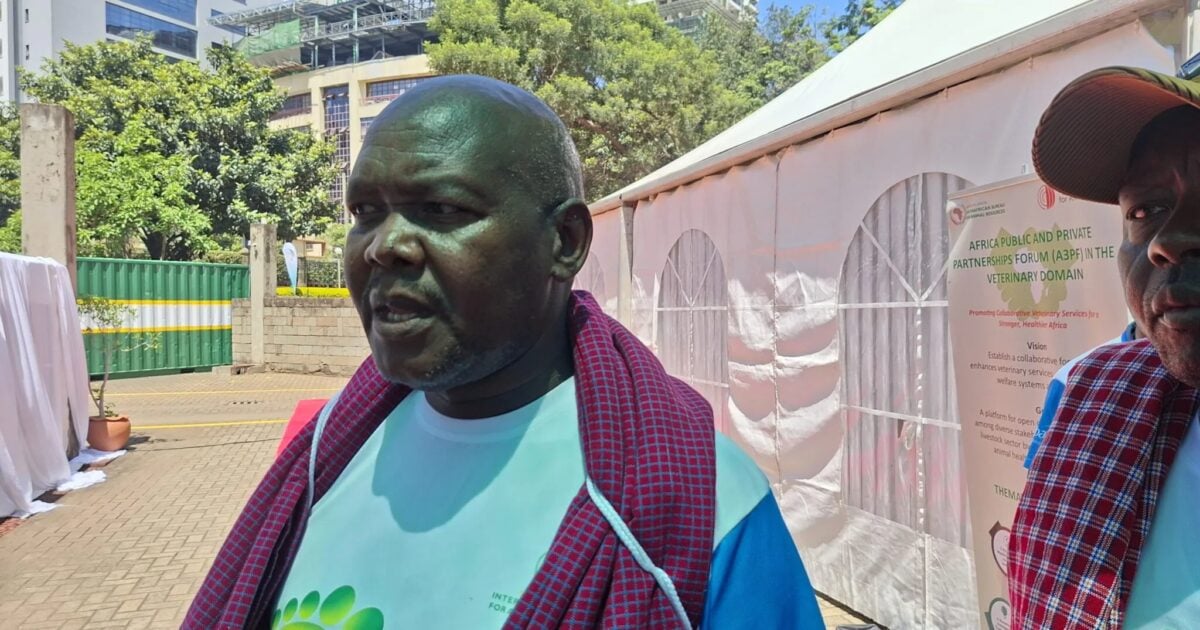
NAIROBI, Kenya, Nov 29– More than 1,000 people took to the streets of Nairobi in a walk aimed at drawing attention to the millions of African households that depend on livestock, fisheries and other animal resources for their livelihoods. AU-IBAR Director Dr Huyam Salih said animal resources remained central to Africa’s food security and economic development, but their potential could only be realised if countries invested more in the sector.
NAIROBI, Kenya, Nov 29– More than 1,000 people took to the streets of Nairobi in a walk aimed at drawing attention to the millions of African households that depend on livestock, fisheries and other animal resources for their livelihoods.
The five-kilometre walk, organised by the African Union Inter-African Bureau for Animal Resources (AU-IBAR), brought together government officials, farmers, private-sector representatives and development partners under the theme, “Walking for Animal Resources, Communities and Livelihoods”.
Beyond the awareness campaign, the event highlighted the challenges facing people who depend on animals for income and food, including recurring drought, disease outbreaks, expensive vaccines and the high cost of production.
AU-IBAR Director Dr Huyam Salih said animal resources remained central to Africa’s food security and economic development, but their potential could only be realised if countries invested more in the sector.
She said the bureau was working with African countries to strengthen livestock value chains, improve animal health and support fisheries and aquaculture, which continue to receive less attention despite the continent’s vast resources.
“We need to look at the entire value chain, from animal health and vaccination to feed, breeding, infrastructure and logistics,” Salih said.
She said Africa also needed to improve the movement of livestock and related products across borders, with AU-IBAR targeting at least a 10 per cent increase in intra-African livestock trade.
For farmers, however, the immediate concern is often the cost of keeping animals healthy and protecting them from disease.
Dr Wilson Kipeno, a farmer from Narok County and Chief Executive Officer of Latia Community-Based Organisation, said the cost of vaccines was putting pressure on livestock keepers, particularly those with large herds.
Kipeno, whose organisation brings together 12 cooperative societies and 25 other value-chain societies, said some farmers could not afford to vaccinate all their animals when a dose cost about KSh1,000.
“When you have 50, 100 or even 500 animals, that cost becomes a big challenge. We need the national and county governments and partners to come in and support farmers,” he said.
He said drought made the situation worse by leaving animals weak and more vulnerable to disease, with outbreaks often resulting in heavy losses for farmers who were already struggling to recover from harsh weather.
Kipeno called for more support in disease prevention, animal fattening and farmer training, saying early intervention would help reduce losses and protect household incomes.
Kenya’s Senior Deputy Director of Veterinary Services, Dr Sebenzia Wekesa, said the government was working with AU-IBAR and other partners because animal diseases and production challenges required a coordinated response.
She said more than 2.2 million cattle had been vaccinated against foot-and-mouth disease, while over 25 million sheep and goats had received Peste des Petits Ruminants (PPR) vaccines under a nationwide programme launched in 2025.
Kenya is targeting the eradication of PPR by 2030, while continuing efforts to control foot-and-mouth disease.
Wekesa said the government was also working to raise livestock’s contribution to the country’s Gross Domestic Product from 12 per cent to 20 per cent through interventions aimed at improving productivity in pastoral and dairy-producing areas.
She said drought response measures included providing feed, water and veterinary services to affected communities, as well as encouraging livestock offtake to help farmers avoid losing their entire herds.
The private sector also has a role in protecting farmers from losses and ensuring a reliable supply of animals for the meat industry.
Farmer’s Choice Chief Executive Officer Felisters Gitau Mutugu said the company works with more than 10,000 farmers and supports efforts to improve livestock production and the quality of animals supplied to processors.
“Animals are our raw material, so we have to work with farmers to ensure that they are empowered and that we have a consistent supply of safe, quality livestock,” Mutugu said.
She identified the high cost of animal feed as one of the biggest challenges facing farmers, adding that disease outbreaks could wipe out years of investment and make restocking difficult.
Mutugu said the company was working with government and other partners on farmer support, access to vaccines, extension services and improved breeding. It was also promoting biosecurity measures to manage diseases such as African swine fever, for which there is currently no vaccine.
Salih said the challenges were not limited to livestock, noting that Africa continued to import fish despite having significant fisheries resources.
She said AU-IBAR was working to strengthen fisheries and aquaculture value chains, with particular attention to small-scale fishers and women whose livelihoods depend on the sector.
The bureau is also working to improve the collection and sharing of information on animal populations and disease outbreaks to help countries respond more effectively to threats.
Salih said Africa’s experience in eradicating rinderpest in 2011 showed what could be achieved when countries worked together, and called for similar commitment towards eliminating PPR by 2030.
AU-IBAR said it had mobilised about 100 million euros over the past 15 years to support food security, trade and animal disease control initiatives across the continent.
Bruhan Makong is a Senior News Reporter for Capital FM in Nairobi, covering diplomacy, foreign policy, national security, climate, and human rights across East Africa and the wider region.
- animal
- farmer
- livestock
- disease
- nairobi
- cost
- resource
- campaign