business

Afreximbank, APPO establish Africa Energy Bank
Afreximbank, APPO establish Africa Energy Bank

By Emma Ujah, Abuja Bureau Chief African Export-Import Bank (Afreximbank) and the African Petroleum Producers’ Organisation (APPO) have established the Africa Energy Bank (AEB). The Africa Energy Bank aims to bridge this financing gap while supporting a just energy transition for African countries.”

By Emma Ujah, Abuja Bureau Chief African Export-Import Bank (Afreximbank) and the African Petroleum Producers’ Organisation (APPO) have established the Africa Energy Bank (AEB). The announcement was made during the AEB’s inaugural general meeting held in Abuja yesterday. According to Afreeximbank in a statement, “The creation of the Africa Energy Bank reaffirms African governments’ determination to secure their own energy future.

“This move is in recognition that significant investments in energy generation and transmission was required to accelerate industrial growth and to leverage the tremendous opportunities from the emerging technologies, particularly Artificial intelligence (AI).” It added, “AEB is being established at a time when the continent’s energy investment needs are estimated at US$200 billion.

“Traditional providers of short- and long-term financing to Africa’s energy sector are withdrawing funding from fossil fuels, even as oil and gas remain vital to the continent’s energy systems. The Africa Energy Bank aims to bridge this financing gap while supporting a just energy transition for African countries.” With an authorised capital of US$5 billion, the AEB will support projects across the energy value chain, including exploration and production, transportation, processing, refining, and distribution.

Afreximbank said the investments by the two African organisations were intended to strengthen productive capacity, reduce reliance on imported petroleum products, and promote intra-African trade in energy goods. AEB’s mandate includes promoting robust African participation in the continent’s energy sector to ensure that Africa’s energy future is shaped by Africans.

The AEB will operate as an independent, supranational pan-African financial institution and seek to attract investments from governments, national oil companies, financial institutions, and private investors to support energy development across the continent. Resolutions passed at the first general assembly included the appointment of the bank’s inaugural President, Mr Helmy Ghazi, and the formation of its first Board of Directors, comprising members from the public and private sectors as well as leading policy institutions from across the continent.

  • energy
  • africa
  • bank
  • afreximbank
  • aeb
  • continent
  • appo
  • investment

Summaries and tags are generated automatically. Stay informed with VidiaNews.

Related news

Africa Energy Bank: A Defining Test for Africa’s Energy Sovereignty and Just Transition
business

Africa Energy Bank: A Defining Test for Africa’s Energy Sovereignty and Just Transition

By Ambassador Gabriel Aduda Chief Insight Officer, World Energy Council Nigeria Former Federal Permanent Secretary and Former OPEC Governor for Nigeria The formal establishment of the Africa Energy Bank (AEB) by the African Petroleum Producers’ Organisation (APPO) and the African Export-Import Bank (Afreximbank), announced in Abuja on 31 October 2026, marks an important step towards African-led energy finance. Financing the Energy Trilemma Africa must balance three related goals: energy security, energy equity and environmental sustainability.

Read →
$2bn Afreximbank fund targets Africa’s creative economy as CANEX opens in Lagos
business

$2bn Afreximbank fund targets Africa’s creative economy as CANEX opens in Lagos

By Elizabeth Onyogha Creative Africa Nexus (CANEX) WKND 2026 opened in Lagos yesterday, bringing together leading creatives, investors, policymakers, business leaders and cultural figures from across Africa and the diaspora to explore investment, financing and commercial opportunities in the continent’s creative economy. Speakers will include Soyinka; ministers responsible for culture and the arts from Côte d’Ivoire, South Africa and Rwanda; representatives of the International Finance Corporation; and Afreximbank officials.

Read →
CBN updates guidelines for stablecoins operation
business

CBN updates guidelines for stablecoins operation

According to the bank, “A Class 1 Licensed Issuer shall maintain paid-up capital of N10 billion Naira or such higher amount as the Bank may prescribe, on entry and at all times thereafter. To avert it from being used for money laundering on terrorism financing, the CBN said “A provider shall maintain criteria, approved by its board and notified to the Bank, for identifying a customer that buys, sells or exchanges Regulated Tokens on the Person-to-Person (P2P) Service as a business, having regard to transaction volume, frequency, number of counterparties and advertising of rates.

Read →
CAFA urges unified policies to grow Africa’s fashion economy to $500bn
business

CAFA urges unified policies to grow Africa’s fashion economy to $500bn

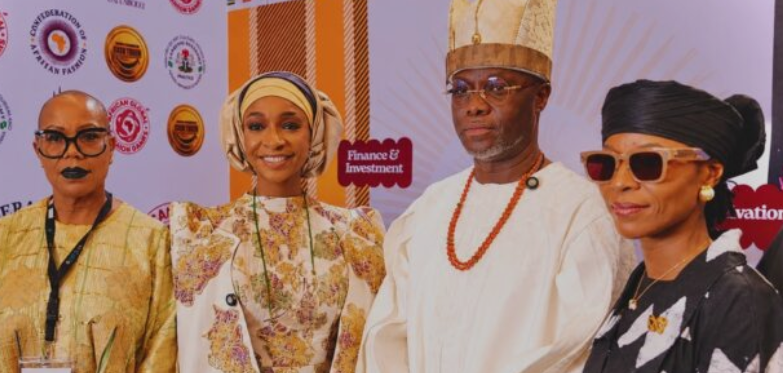
By Benjamin Njoku The Confederation of African Fashion,CAFA, has called on African countries to harmonise their fashion policies, strengthen intellectual property protection and invest in local manufacturing as part of efforts to grow the continent’s fashion economy to $500 billion. On market access, Labode disclosed plans to establish about 10 African fashion houses across the continent, alongside outlets in New York, Paris, Milan and London, to promote African designers and connect them with international markets.

Read →
CBN sets N10bn, N15bn capital requirements for stablecoin issuers
business

CBN sets N10bn, N15bn capital requirements for stablecoin issuers

The Central Bank of Nigeria (CBN) has introduced new regulatory guidelines for stablecoin issuers and other virtual asset service providers, setting minimum paid-up capital requirements of N10 billion and N15 billion for two categories of operators. Under the new guidelines, Class 1 licensed issuers, covering naira-referenced stablecoins, are required to maintain a minimum paid-up capital of N10 billion, while Class 2 issuers, covering foreign currency-referenced stablecoins, must maintain N15 billion.

Read →